
1 ) Modeling of intelligent robots
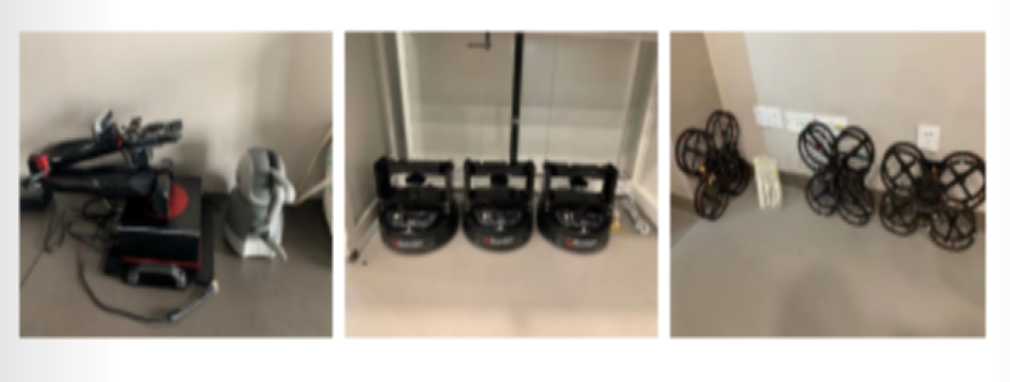
Modeling is the premise and foundation for designing control algorithms. This research group is committed to establishing reasonable networked dynamic models for autonomous vehicles, drones, robotic arms and other intelligent robots, which can not only ensure the accuracy of modeling, but also reduce the cost of Model complexity.
2 ) Communication protocol between multiple agents
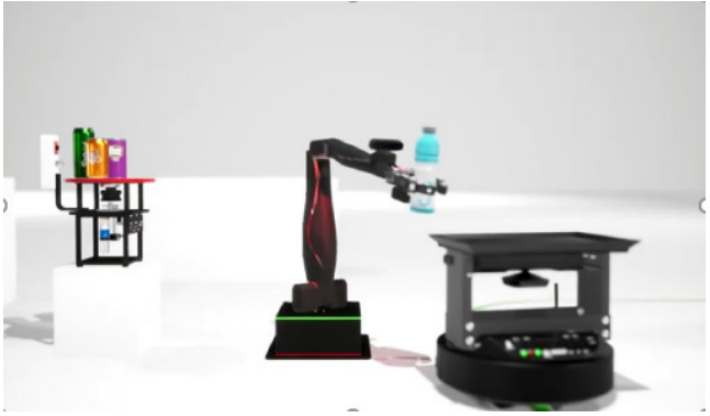
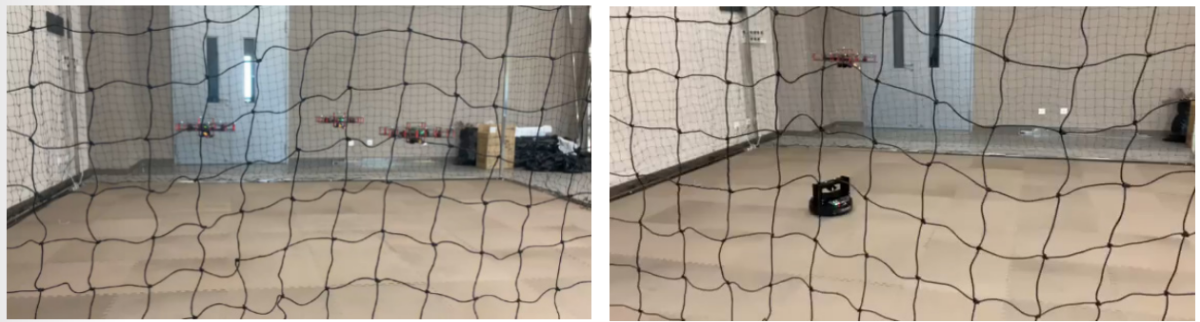
Robots in modern industry mostly exist in the form of multi-agent. We not only need to design the control algorithm, but also design the communication protocol between the agents. How to ensure the consistency (synchronization) between agents, the ability to reject interference, and reduce the impact of network delay is one of the key research contents of this research group. Combining artificial intelligence with control algorithms and establishing a bridge between the computer field and the automation field is also an important goal of this research group.
3 ) Distributed fault diagnosis of multi-agent
It does not rely on global information, but only uses the measurable information of neighbor agents to design distributed fault diagnosis technology to observe the health status of the system in real time and obtain rich fault information.
4 ) Multi-agent fault-tolerant control
Design a fault-tolerant algorithm that is compatible with the original controller to reduce the impact of physical and communication faults on the system, so that the system can have reliable output even if there is a fault. For large-scale networked systems, designing a fault-tolerant control algorithm under an event-driven mechanism can not only improve system reliability, but also save communication costs.
Telephone:+86 755-23256198
Zip code:518118
Address:No. 3002, Lantian Road, Pingshan District, Shenzhen, Guangdong, China.

SZTU WeChat Public Account

SGIM WeChat Public Account

Copyright @SZTU
